By Krissy Burk
August 20, 2026
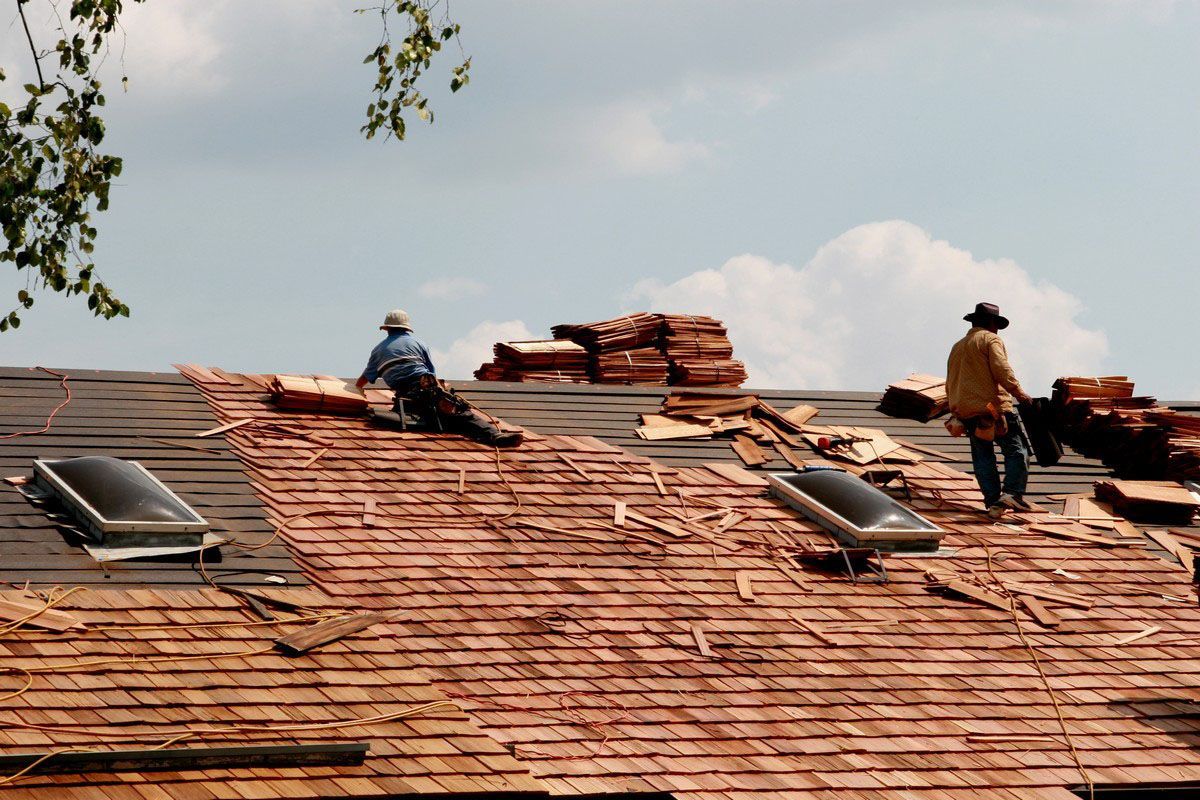
Tear-off layers act as a critical aspect of essential home maintenance, playing a pivotal role in the long-term durability of your residential property. Understanding these individual layers is essential to make informed, highly practical decisions. By fully comprehending these critical aspects, proactive homeowners can plan and execute a successful roof replacement, preserving their financial investment and ensuring complete protection against severe local weather. A complete tear-off provides a clean slate, removing old worn materials that might conceal hidden structural deterioration.
Understanding Tear-Off Fundamentals
Removing old materials before installing brand-new shingles provides a perfectly clean surface, preventing potential structural issues that routinely arise from overlaid, decaying layers. This crucial stripping process helps identify extensive physical damage or vulnerabilities in the underlying wooden deck. Ensuring the new materials rest on a structurally sound structure completely prevents future property instability. Skipping this thorough clearance can unfortunately lead to massively compounded repair costs.
Eliminating precarious elements from the previous installation promotes a longer-lasting protective barrier against harsh external elements. Homeowners must understand this core concept to plan for requisite repair costs effectively. By investing in a rigorous stripping phase, they safeguard against future complications that might compromise their everyday living space. Various distinct materials make up these removed sections.
During a roof replacement, experienced professionals assess all the materials involved to determine the precise extent of clearance needed. A comprehensive structural evaluation helps identify specific sections requiring complete removal, optimizing the new installation for maximum overall longevity. Understanding material specifications guides productive discussions with contractors, ensuring absolute clarity about what gets replaced and why.
Evaluating Structural Integrity
Inspecting the underlying underlayment acts as a crucial step in assessing structural soundness during any major exterior residential project. This specific material layer serves as a reliable secondary barrier against intruding moisture, reinforcing overall protection against sudden weather fluctuations. Its true effectiveness depends on environmental conditions maintained over time, an aspect only a full removal reveals.
Assuring underlayment integrity through unhindered, complete removal proves invaluable for maintaining long-term functional effectiveness and household safety. Employing a methodical, highly organized approach helps in precisely pinpointing the exact extent of wear and potential systemic failures before laying down new exterior materials. It empowers proactive property owners with actionable data to make smart, strategic choices regarding extra waterproofing measures.
Through comprehensive stripping, dedicated work crews evaluate the physical condition of the decking underneath to assess its capacity to support heavier structural loads. If left unchecked, compromised wooden boards threaten home stability and structural lifespan. Removing old materials scrupulously reveals specific hidden areas of wood rot that require immediate addressing before the main roof replacement begins.
Identifying Hidden Damages
Uncovering hidden structural damages represents a major benefit of completely clearing decaying materials from a residential home. Moisture damage remains a persistent, quiet threat to structural integrity, often hiding beneath top surface elements until severe problems manifest significantly. By engaging in thorough removal, trained professionals ensure that moisture pathways are adequately identified and blocked.
The evaluation procedure involves meticulous expert inspection techniques, easily identifying hidden leaks or damp areas indicating systemic structural failures. Ensuring these pressing issues are properly managed boosts overall structural reliability against extreme weather extremities and abrupt seasonal shifts. Preventive stripping essentially prepares properties for sustainable and entirely risk-averse financial investments.
Gaining open access to the underlying structural framework helps skilled professionals rectify previously concealed weak spots efficiently. This complete material removal exposes areas vulnerable to heavy physical stress and potential collapse. If overlooked, these hidden damages might severely compromise new materials and negate any roof replacement efforts. Rectifying these weak points enhances future-proofing capabilities.
Managing Labor and Timelines
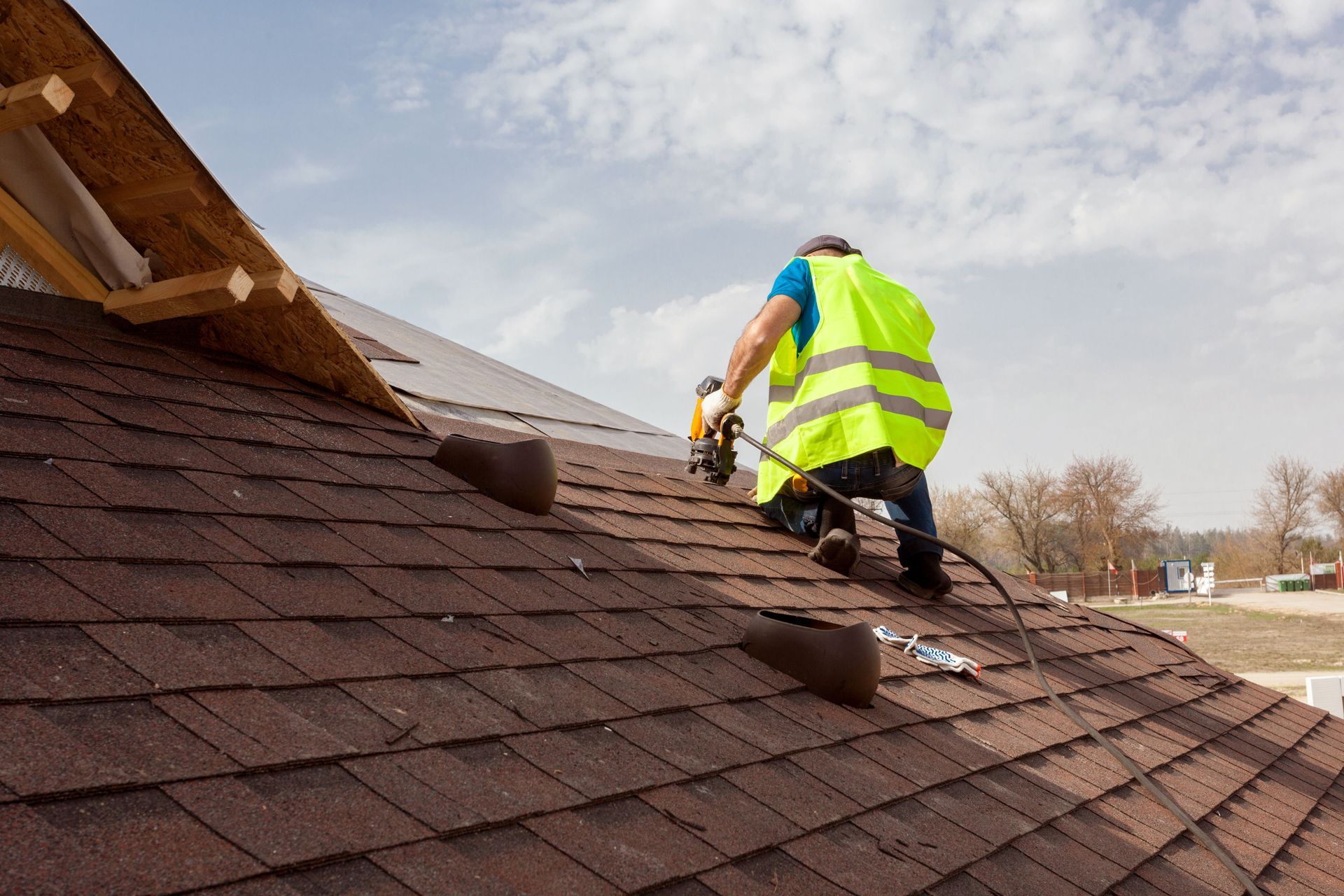
Removing old structural layers proves inherently labor-intensive, requiring significant physical efforts from the dedicated crew. This meticulous exercise includes heavy scraping, lifting, and strategic stripping handled mostly by highly skilled laborers. As a direct result, manual labor costs often dominate the overall pricing structure for these specific projects. A distinct advantage here is unparalleled physical precision.
Opting for a full clearance strengthens the foundational framework, creating a significant structural safeguard for new installations despite high labor demands. The initial physical intensity significantly lessens future general maintenance needs. Project timeframes can vary depending on several critical factors, including overall property size, specific material type, and architectural complexity. According to HomeGuide, costs escalate during a roof replacement when contractors navigate multiple stories, chimneys, intricate architectural shapes, or steep pitches exceeding a 6:12 ratio due to the extra safety and labor demands.
Intricacies like unique structural aspects contribute predominantly to extended durations necessary for safe, thorough material removal. Despite frustrating scheduling delays, ensuring these important variables receive proper attention enriches final project outcomes with consistent re-evaluative practices. Property owners can mitigate time constraints by actively planning and scheduling pre-inspection activities before commencing manual work.
Hiring Specialized Contractors
Engaging specialized work crews transforms manual labor tasks into highly calculated and precision-oriented professional operations. Dedicated experts proficient in managing the profound intricacies of the structural removal process bring essential skills, ensuring effective, long-lasting outcomes despite unforeseen on-site complications. This vital expertise includes rigorously executing strict safety measures and employing tactical expertise crucial to elevated endeavors.
Future-proofing strongly emerges via the close partnership with trained, certified specialists whose vast experience gets reflected in high-quality property renovations. They greatly enhance operational excellence and align labor strategies much more efficiently across the board. Openly communicating respective design desires with these seasoned experts shapes superior practical applications, saving unnecessary operational expenses.
Protective wearing gear, proper scaffolding, and clear delineation barriers reflect absolute safety essentials for all operatives in action. Managing environmental project impacts requires constant, vigilant supervision to avoid sudden accidents or collateral property damage. Safety protocols also encompass strict control measures that efficiently regulate hazardous disposal practices on site.
Handling Environmental Impacts
The rigorous teardown procedure inevitably generates significant refuse, particularly from the dispossession of old asphalt shingles, rusted nails, and protective paper. Properly managing this massive waste is crucial, as careless disposal causes severe environmental harm and invites strict regulatory penalties. Property owners need to secure fully licensed disposal services to comply seamlessly.
Tracking project waste inputs and subsequent outputs enriches a closer understanding of environmentally conscious construction practices. Savvy contractors may include specific detailed clauses concerning waste generation estimates in proposals, helping accurately forecast budget estimates accordingly. Comprehensive disposal methods and strategic project planning help ensure that refuse does not undermine ongoing roof replacement projects.
Discarded asphalt pieces can be brilliantly repurposed in various practical ways, such as in paving new roads or creating ground cover. Scrap metal materials often have extensive, highly valuable reuse potential owing to their remarkable durability upon extensive reprocessing. An awareness thrust towards green recycling initiatives mutually benefits vital environmental conservation.
Navigating environmental and logistical considerations relies entirely upon conscious adherence to regional regulations regarding eco-friendly construction practices. A successful roof replacement depends heavily on properly understanding every single step, from evaluating structural integrity to hiring the absolute right professionals and managing site waste responsibly. Tackling these intricate challenges proactively ensures a durable, long-lasting protective shield for your family home while minimizing future unexpected maintenance expenses. Taking the necessary time to strip away old materials guarantees that your primary investment rests on a flawless foundation. Let us at Bel Air Roofing & Siding help you build a safer, more resilient home today.